Booking a pest service can feel a bit mysterious until they arrive and start work. In reality, Blackheath pest control is usually a clear, step-by-step process that begins with inspection, moves into targeted treatment, and ends with prevention advice suited to the Blue Mountains climate.
Because Blackheath homes often sit close to bushland, pest activity can spike after rain, cold snaps, or warm changes in spring. The best providers plan around local conditions and the specific build style of the property, whether it is a weatherboard cottage, a newer build, or a heritage home.
What do they ask before they arrive?
They usually start by collecting a few practical details so they can plan the visit properly. This helps the technician bring the right products, equipment, and safety gear.
They may ask what pests have been seen, where activity is happening, whether there are pets or children, and if anyone in the home has sensitivities. For Blackheath pest control, they will often ask about subfloors, fireplaces, wood piles, and any recent renovations that might have opened entry points.
What happens when they first arrive on site?
They typically confirm the problem, walk through the main concerns, and explain what they will do next. This is also when they clarify access needs, like gates, under-house areas, roof voids, and sheds.
In many cases, they will also point out safety steps, such as keeping pets away until surfaces dry. With Blackheath pest control, technicians often pay extra attention to damp zones and leaf litter because they can support cockroaches, ants, and rodents.
How do they inspect the home and yard?
They inspect both inside and outside because most infestations have an entry point or an attractant outdoors. The inspection is usually the most important part, since it decides the treatment plan.
They may look for droppings, scratch marks, mud leads from termites, grease marks along skirting boards, nests, and active trails. For Blackheath pest control, inspections often include checking around retaining walls, garden beds against the house, under decks, and any stored timber.
What pests are they most likely to look for in Blackheath?
They focus on what is common in the Blue Mountains and what matches the signs found during inspection. Rodents, cockroaches, spiders, ants, and termites are frequent reasons for call-outs.
Season plays a role too. Winter can push mice into roof voids, while warmer months can lift ant and cockroach activity. In Blackheath pest control, technicians may also watch for European wasps in active seasons and for moisture-loving pests around bathrooms and laundries.
How do they decide which treatment to use?
They choose a method based on the pest species, infestation level, layout of the property, and who lives there. A good provider aims for targeted control, not blanket spraying everywhere.
They also consider environmental exposure, such as wind and rain, and whether the home is near bushland. During Blackheath pest control, they will often use a combination approach such as gel baits for cockroaches, residual barriers for general pests, and secure bait stations for rodents.
What happens during a general pest treatment?
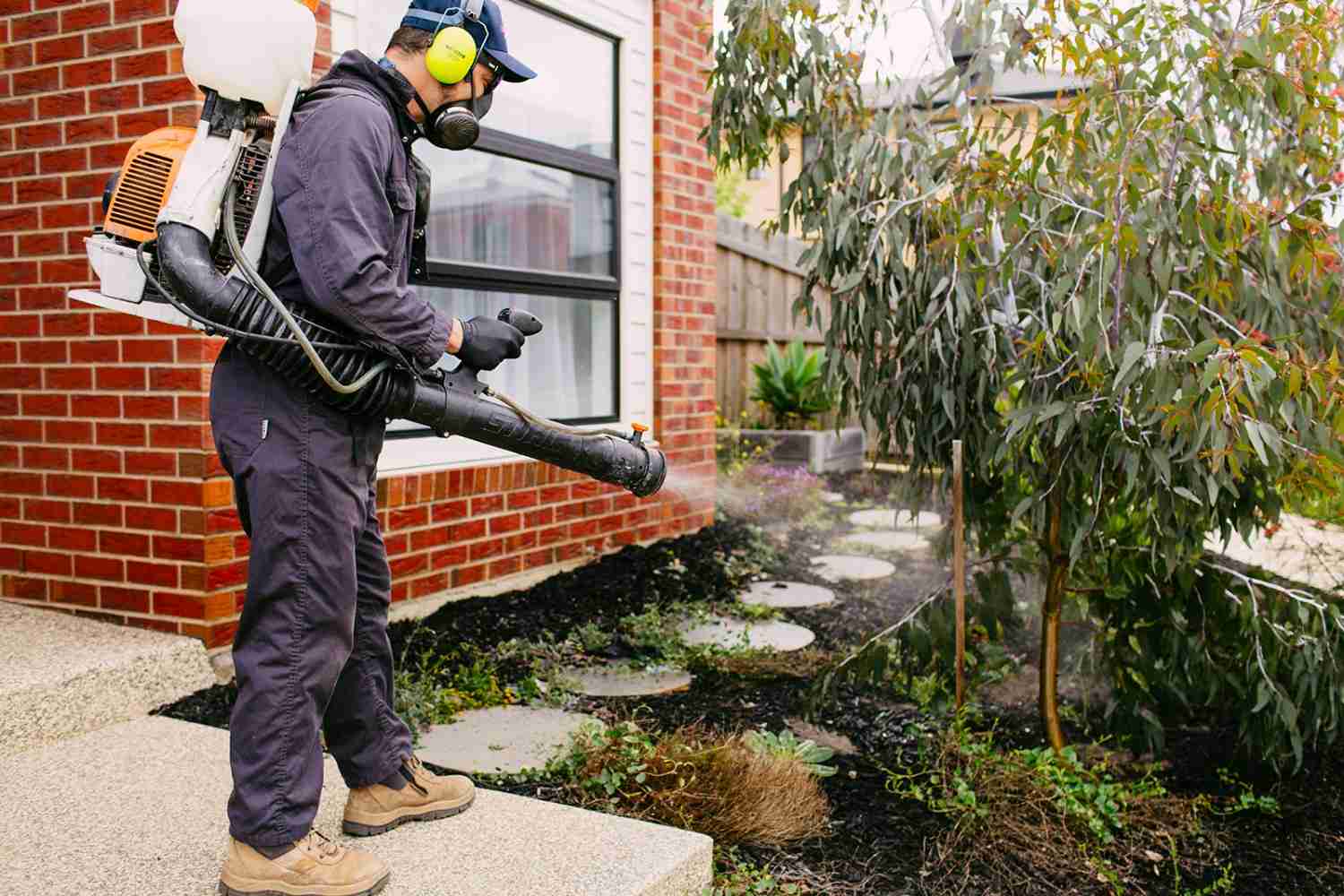
They usually treat key zones where pests travel, hide, or enter. This commonly includes external perimeter areas, weep holes, door thresholds, eaves, and selected internal cracks and crevices.
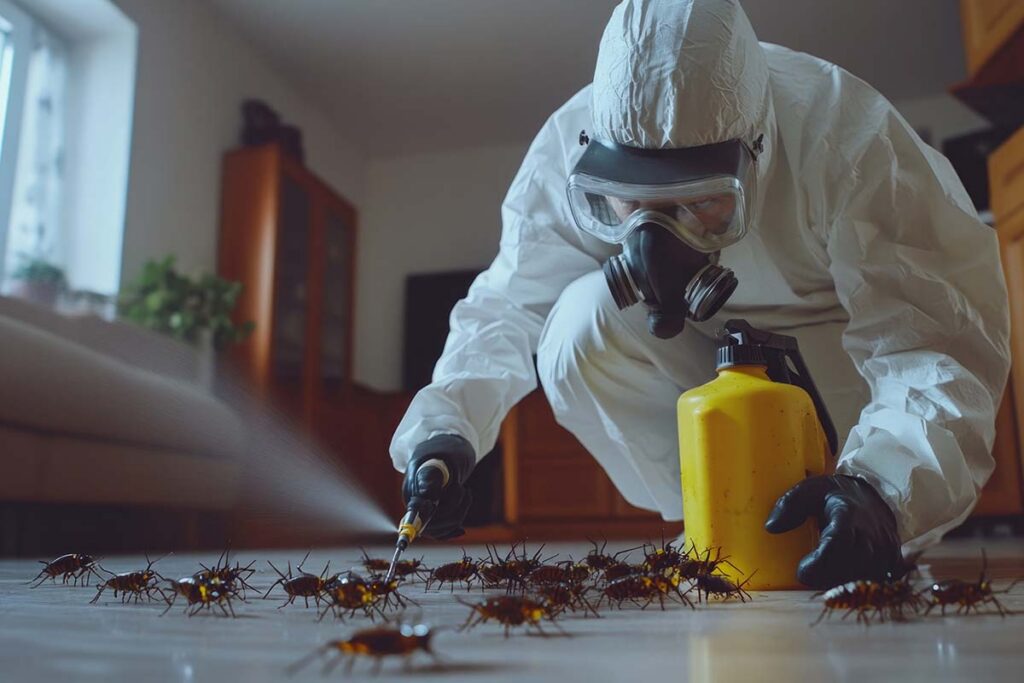
Indoors, they may apply dusts or gels in safe, contained places rather than spraying open living spaces. For Blackheath pest control, they often focus on kitchens, laundries, and subfloor edges because those spots can offer food, warmth, and moisture.
What happens during rodent control?
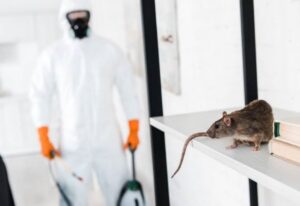
They start by finding where rodents are feeding, nesting, and entering. Then they recommend a plan that usually includes proofing advice plus traps or bait stations, depending on the situation.
Bait stations are typically placed in secure locations away from children and pets, often along fence lines, sheds, or under-house zones. In Blackheath pest control, they may also check roof voids for rub marks and droppings, then suggest sealing gaps around pipes, vents, and loose flashing.
What happens if termites are suspected?
They treat termite concerns as a separate, higher risk job because the goal is to protect the structure, not just remove a nuisance. If termites are suspected, they will usually shift into a termite-focused inspection and discuss next steps before doing anything invasive.
They may use moisture meters, sounding tools, and careful visual checks around subfloors, stumps, and timber-to-ground contact. With Blackheath pest control, they may also talk about how the local environment, drainage, and stored timber can increase termite risk in certain streets and blocks.
Do they spray inside the house?
They only spray inside when it is necessary and appropriate for the pest problem. Many modern approaches rely more on targeted crack-and-crevice work, baits, and external barriers to reduce chemical use indoors.
If they do treat inside, they focus on edges and harbourage points, not open surfaces like sofas or toys. During Blackheath pest control, they should explain where they are applying products and what to do afterwards, such as ventilation and keeping people out of treated rooms until dry.
How do they manage safety for children, pets, and gardens?
They follow label directions and industry-safe application methods, and they should tailor the plan to the household. That includes choosing lower-odour products where suitable and avoiding exposed placement of baits.
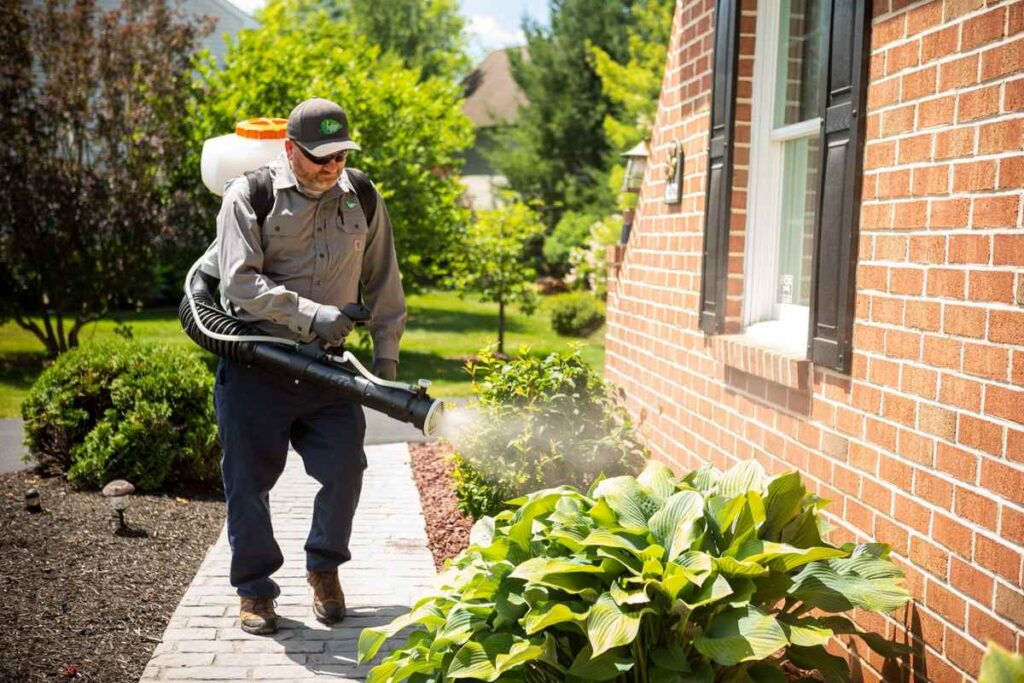
They may ask for fish tanks to be covered and pets to be kept away during application. In Blackheath pest control, technicians often take extra care around vegetable gardens and water tanks, choosing placements and products that reduce drift and run-off risk in wet weather.
How long does the treatment take?
Most standard visits run from 45 minutes to two hours, depending on the size of the home and what is being treated. Complex issues like heavy rodent activity or termite investigations can take longer.
They may also schedule follow-ups, especially if monitoring is needed. For Blackheath pest control, weather can affect timing because rain and high winds may change what can be applied outside on the day.
What should they tell the household before they leave?
They should summarise what they found, what they treated, and where activity is most likely to reduce first. They also explain what residents might still see over the next few days, because some pests will emerge before they die off.
They should provide aftercare steps, like when to mop, when to return pets to areas, and what to avoid spraying themselves. A solid Blackheath pest control service also gives a written report or invoice notes that list products used and any risk areas to address.
What happens after the service in the following days?
In many cases, activity drops quickly, but it depends on the pest and the nesting site. Cockroaches might appear briefly as they move through treated zones, while ants may take time to fully collapse if the colony is large.
They may recommend monitoring points, such as checking bait stations or noting where droppings reappear. With Blackheath pest control, they often advise watching damp rooms and subfloors after rain because moisture can bring pests back if leaks or drainage issues remain.
How do they help prevent pests from coming back?
They usually give practical prevention advice that fits the property, not generic tips. Prevention often matters as much as treatment, especially near bushland edges and leafy blocks.
Common recommendations include sealing gaps under doors, fitting door sweeps, trimming foliage away from walls, reducing clutter under the house, and storing timber off the ground. For Blackheath pest control, they may also suggest improving drainage, fixing leaking taps, and keeping compost and pet food secured to reduce attractants.
When should they recommend follow-up visits?
They recommend follow-ups when the pest has a high reinfestation risk or when monitoring is part of the solution. Rodent programmes, termite management, and severe cockroach infestations often need at least one review.
They may also suggest seasonal treatments if the home has recurring spikes at certain times each year. In Blackheath pest control, follow-ups can be especially useful after big weather shifts, because heavy rain and cold periods can change pest movement and entry behaviour.
What should someone look for in a good local pest provider?
They should look for clear communication, a proper inspection process, and transparent reporting. A reliable technician explains what they are doing, why they are doing it, and what results to expect.
They should also provide realistic timelines and safety guidance, not promises of instant perfection. For Blackheath pest control, it helps if the provider understands local housing styles, subfloor access, bushland risk factors, and how Blue Mountains weather affects pest pressure.
Related : What Is Included in a Quote for Rodent Pest Control?
FAQs (Frequently Asked Questions)
What information does Blackheath pest control ask for before arriving at my home?
Before arriving, Blackheath pest control technicians usually collect practical details such as the types of pests seen, locations of activity, presence of pets or children, any sensitivities in the household, and specifics about subfloors, fireplaces, wood piles, or recent renovations. This helps them plan the visit with the right products, equipment, and safety gear.
What should I expect when a Blackheath pest control technician first arrives?
Upon arrival, the technician will confirm the pest problem, discuss your main concerns, explain their planned approach, and clarify access needs like gates or under-house areas. They often highlight safety measures such as keeping pets away until treated surfaces dry. Special attention is given to damp zones and leaf litter which can harbour pests like cockroaches and rodents.
How does Blackheath pest control inspect my home and garden?
The inspection covers both inside and outside areas to identify entry points or attractants. Technicians look for signs such as droppings, scratch marks, termite mud leads, grease marks on skirting boards, nests, and active trails. Inspections often include retaining walls, garden beds against the house, under decks, and stored timber to tailor an effective treatment plan.
Which pests are most commonly targeted by Blackheath pest control in the Blue Mountains region?
Common pests include rodents (like mice), cockroaches, spiders, ants, termites, and during active seasons European wasps. Seasonal changes influence pest activity; for example, winter may drive mice into roof voids while warmer months increase ant and cockroach presence. Moisture-loving pests around bathrooms and laundries are also monitored.
How does Blackheath pest control decide on the appropriate treatment method?
Treatment choices depend on the identified pest species, infestation level, property layout, and household members’ sensitivities. Providers aim for targeted control rather than blanket spraying. Environmental factors such as local weather conditions and proximity to bushland are considered. Treatments may combine gel baits for cockroaches, residual barriers for general pests, and secure bait stations for rodents.
Are indoor sprays commonly used during Blackheath pest control treatments?
Indoor spraying is only performed when necessary and suitable for the specific pest issue. Modern methods favour targeted crack-and-crevice treatments, baits, and external barriers to minimise chemical use indoors. When spraying inside occurs, it focuses on edges and harbourage points rather than open surfaces. Technicians explain product application areas and post-treatment precautions like ventilation and restricted access until surfaces dry.