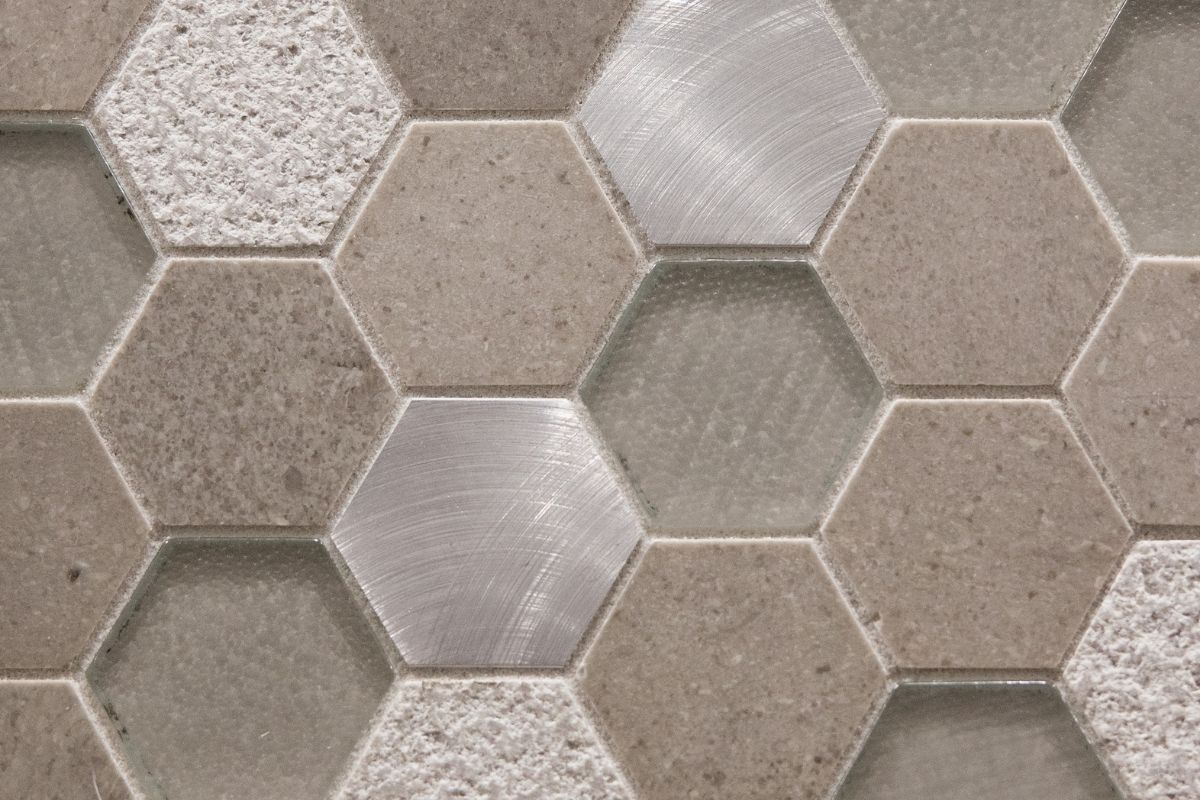
The Australian bathroom is undergoing a significant transformation. No longer just a functional utility room, it has evolved into a sanctuary of wellness and high-end design. As we move through 2026, homeowners from Sydney’s coastal suburbs to Melbourne’s urban centers are prioritizing materials that offer both sensory appeal and long-term durability.
Understanding the 7 bathroom tile trends that are defining 2026 in Australia is essential for any renovation project aiming to balance contemporary aesthetics with resale value. This year, the focus shifts away from clinical minimalism toward “warm organicism”—a blend of natural textures, earthy palettes, and artisanal craftsmanship that reflects the unique Australian landscape.
See more: The 2026 Tile Forecast: 7 Trends Replacing the ‘Millennial Gray’ Era
1. Tactile Textures and Fluted Surfaces
Visual appeal is no longer enough; 2026 is the year of touch. Tactile tiles, particularly those with ribbed or fluted profiles, are dominating Australian design showrooms. These tiles create a play of light and shadow that adds architectural depth to even the smallest powder rooms.
Why Fluted Tiles are Trending
The rise of “kit-kat” tiles evolved into more sophisticated, large-format fluted panels. These surfaces break up the monotony of flat walls and provide a sophisticated backdrop for matte black or brushed brass tapware.
- Best Use Case: Feature walls behind vanity mirrors or inside walk-in shower recesses.
- Design Tip: Vertical orientation helps “lift” the ceiling height, a common requirement in smaller Australian apartments.
2. The Rise of “Australian Earth” Palettes
Moving away from the cool greys of the last decade, 2026 sees a surge in sunset tones and mineral hues. These colors are inspired by the Australian outback—terracotta, deep ochre, eucalyptus green, and sandy beige.
Color Psychology in the Bathroom
These warmer tones foster a sense of calm and grounding. When paired with natural timber cabinetry, these tiles create a “spa-at-home” atmosphere that aligns with the growing wellness trend in domestic architecture.
| Tile Color | Suggested Grout Match | Vibe |
| Eucalyptus Green | Mid-Grey | Botanical & Fresh |
| Burnt Terracotta | Warm Beige | Rustic & Earthy |
| Deep Ochre | Charcoal | Bold & Sophisticated |
3. Sustainable and Recycled Porcelain
Sustainability is no longer an optional add-on; it is a core requirement for the modern Australian homeowner. Manufacturers are now producing high-performance porcelain tiles using up to 40% recycled content.
Environmental Benefits
These tiles offer the beauty of natural stone without the environmental impact of quarrying. Furthermore, their non-porous nature means they require fewer harsh chemical cleaners, contributing to better indoor air quality.
- Internal Link Suggestion: sustainable bathroom renovation guide
- Key Feature: Look for “GreenTag” certified products to ensure genuine environmental compliance.
4. Large Format Slab Tiles (The Seamless Look)
Minimizing grout lines is a top priority for 2026. Large format porcelain slabs—some reaching sizes of 1200mm x 2400mm—are being used to create seamless surfaces that mimic a single block of stone.
The Engineering Behind the Trend
Advancements in porcelain strength allow these slabs to be thinner yet more durable than traditional tiles. This reduces the weight load on Australian timber-framed homes while providing a luxurious, high-end finish.
- Advantage: Easier cleaning and maintenance due to fewer grout joints.
- Common Mistake: Attempting a DIY installation. These slabs require specialist suction tools and perfectly level subfloors.
5. Artisanal Zellige and Handcrafted Imperfections
In a world of mass production, Australians are gravitating toward the “perfectly imperfect.” Zellige tiles—traditionally Moroccan terracotta—are prized for their uneven surfaces and tonal variations.
Creating a Unique Identity
Every Zellige tile is slightly different in shade and shape. When installed, they catch the light at different angles, creating a shimmering effect that looks particularly stunning in coastal homes utilizing natural light.
Expert Insight: When using handcrafted tiles, use a very tight grout joint (1mm to 2mm) to let the natural edges of the tile define the look.
6. Stone-Look Terrazzo with Bold Aggregates
Terrazzo has been a staple in Australian design for years, but 2026 introduces “Macro-Terrazzo.” Instead of fine grains, these tiles feature large, chunky “hero” aggregates of marble, quartz, and granite.
Modern Application
This trend works exceptionally well for flooring. It provides a busy enough pattern to hide daily dust (perfect for busy families) while acting as a bold foundation for minimalist fixtures.
- Internal Link Suggestion: how to choose bathroom floor tiles
- External Reference: Housing Industry Association (HIA) Australian Design Trends
7. Integrated Tile Lighting and Smart Solutions
Technology is finally merging with tiling. We are seeing a rise in tiles designed to house integrated LED strips, creating “glow paths” or halo effects around niches and floor perimeters.
Functional Benefits
Beyond the “wow” factor, integrated lighting serves as a motion-activated nightlight, enhancing safety in the bathroom without the need for blinding overhead lights during midnight visits.
How to Implement These Trends: A Framework
If you are planning a renovation, follow this step-by-step approach to ensure your tile selection remains timeless:
- Define the Anchor: Choose one “hero” tile (e.g., a bold Terrazzo or Fluted feature wall).
- Select the Complement: Choose a neutral, large-format tile for the remaining walls to avoid visual clutter.
- Consider the Layout: Use “stack bond” patterns for a modern look or “herringbone” for a classic touch.
- Test Under Light: Australian light is harsh. Always view tile samples in your actual bathroom at different times of the day.
Common Mistakes to Avoid
- Ignoring Slip Ratings: In Australia, floor tiles must meet specific “P” ratings (Pendulum test) for wet areas to ensure safety.
- Over-complicating Patterns: Mixing more than three different tile types in one room often leads to a disjointed aesthetic.
- Poor Grout Choice: Dark grout with light tiles can look dated quickly if not executed with a clear design intent.
Frequently Asked Questions (FAQ)
What is the most popular bathroom tile color in Australia for 2026?
Warm neutrals, particularly “greige,” sand tones, and muted eucalyptus greens, are the leading choices as they reflect the natural Australian environment.
Are large format tiles better for small bathrooms?
Yes. Larger tiles result in fewer grout lines, which reduces visual “noise” and can actually make a small Australian bathroom feel more spacious and open.
What slip rating do I need for a shower floor?
For residential bathrooms in Australia, a P3 or P4 slip rating is generally recommended for shower bases to prevent accidents on wet surfaces.
Is terracotta back in style for bathrooms?
Absolutely. However, the 2026 version of terracotta is more refined—often glazed or in slimmer formats—rather than the heavy, porous bricks used in the 1990s.
How do I clean textured or 3D tiles?
A soft-bristled brush and a pH-neutral cleaner are best. Avoid abrasive pads that can dull the finish of the raised surfaces.
Conclusion: Balancing Innovation and Longevity
The 7 bathroom tile trends that are defining 2026 in Australia represent a shift toward high-quality, sensory-driven spaces. Whether you choose the architectural precision of fluted tiles or the organic warmth of earth-toned porcelain, the key is to prioritize materials that resonate with your personal style while meeting the functional demands of the Australian climate.
Ready to start your renovation? Consult with a local tilling professional to ensure your chosen materials are suitable for your specific subfloor and local building codes.
- External Reference: Standards Australia – AS 3958.1 Guide to the installation of ceramic tiles