Keyword Clusters (SEO Optimised)
- Subway tiles
- Why subway tiles are timeless
- Subway tile design ideas
- Subway tile layouts
- Subway tile kitchen
- Subway tile bathroom
- Classic tile patterns
- Modern subway tile trends
- Subway tile colours
- Interior design tiles
Expert SEO Outline (Advanced)
H1: Why Subway Tiles Never Go Out of Style: Timeless Designs for Every Room
H2: The Enduring Appeal of Subway Tiles
- H3: What exactly are subway tiles?
- H3: Origins and history of subway tiles
- H3: Why subway tiles became a design classic
- H4: The psychology of clean, simple lines
- H4: The universal appeal of symmetry
H2: Why Subway Tiles Are Considered Timeless
- H3: Versatility in any interior design style
- H3: Affordability without sacrificing aesthetics
- H3: Renovation-friendly and easy to maintain
- H3: Works in both small and large spaces
- H4: Why homeowners keep returning to subway tiles
H2: Modern Subway Tile Trends for 2025 and Beyond
- H3: New colours and modern palettes
- H3: Textured and handmade subway tiles
- H3: Oversized and slim subway tile formats
- H3: Matte, gloss, and satin finishes
- H3: Eco-friendly and recycled subway tiles
H2: Best Rooms to Use Subway Tiles (With Design Examples)
- H3: Kitchens — classic splashbacks and modern layouts
- H3: Bathrooms — walls, showers, and feature walls
- H3: Laundry rooms — durable and low-maintenance
- H3: Entryways and mudrooms — stylish protection
- H3: Commercial spaces — cafés, bars, retail
H2: Popular Subway Tile Layouts
- H3: Classic offset brick pattern
- H3: Vertical stack bond
- H3: Horizontal stack bond
- H3: Herringbone pattern
- H3: Crosshatch and geometric patterns
- H4: How layout affects visual space
H2: Colour Options That Elevate Subway Tiles
- H3: White subway tiles — the timeless favourite
- H3: Black and charcoal for bold, modern interiors
- H3: Soft neutrals (beige, cream, greige)
- H3: Pastels and earth tones
- H3: Glossy vs matte colour effects
H2: How to Style Subway Tiles in Modern Homes
- H3: Choosing the right grout colour
- H4: Light grout vs dark grout
- H3: Pairing subway tiles with benchtops
- H3: Mixing subway tiles with natural materials
- H3: Using lighting to highlight texture
H2: Expert Tips for Homeowners and Renovators
- H3: How to choose quality subway tiles
- H3: Budgeting for tile installation
- H3: Common mistakes to avoid
- H3: When to go classic vs bold
Engagement Introduction (SEO-Friendly)
Walk into almost any stylish kitchen, bathroom, café, or boutique in Australia, and you’ll likely spot one familiar design feature: the understated, elegant subway tile. For more than 120 years, subway tiles have quietly shaped design trends, survived style changes, and remained one of the most trusted choices among homeowners, designers, and renovators.
But what gives subway tiles their staying power? Why do they continue to dominate Pinterest boards, architectural magazines, and modern renovations year after year?
This article explores why subway tiles never go out of style, the powerful design principles behind their timeless appeal, and how you can use them beautifully in every room of your home.The Enduring Appeal of Subway Tiles
The Enduring Appeal of Subway Tiles
What exactly are subway tiles?
Subway tiles are rectangular ceramic or porcelain tiles, traditionally sized at 75mm x 150mm. Their clean edges, smooth surfaces, and simple proportions made them a staple in early 20th-century architecture—and they remain one of the most iconic tile styles in the world today.
The origins and history of subway tiles
Subway tiles were first introduced in 1904 in New York City’s subway system, where architects George C. Heins and Christopher Grant La Farge wanted a material that felt clean, sanitary, and visually bright. Their choice of glossy white rectangular tiles transformed the subway into a symbol of modernity.
See more: Herringbone Tiles in Modern vs Traditional Homes: Design Inspirations
Why subway tiles became a design classic
- They reflected cleanliness, which was crucial in the early 1900s.
- Their glossy finish helped reflect light in dark underground tunnels.
- The geometric layout appealed to the era’s love for symmetry and order.
The psychology of clean, simple lines
Studies in interior design show that symmetrical, repetitive patterns create a calming effect. Subway tiles, with their consistent repetition, provide mental clarity and visual balance.
The universal appeal of symmetry
Whether used in a modern home or a classic federation-style property, subway tiles fit naturally because they complement both minimalism and traditional aesthetics.
Why Subway Tiles Are Considered Timeless
Versatility in any interior design style
Subway tiles are chameleons. They adapt seamlessly to:
- Modern interiors
- Industrial designs
- Coastal homes
- Hamptons styling
- Traditional Australian homes
- Scandinavian minimalism
Affordability without sacrificing style
Compared to other decorative tiles, subway tiles remain budget-friendly, making them ideal for renovations.
Easy to clean and maintain
Their smooth surface resists dirt and stains, while grout helps protect against mould and bacteria—perfect for humid areas like kitchens and bathrooms.
Works beautifully in small and large spaces
Subway tiles visually elongate walls, making them perfect for small bathrooms, laundries, and galley kitchens.
Modern Subway Tile Trends for 2025 and Beyond
New colour trends
2025 interior design forecasts highlight:
- Deep greens
- Stone greys
- Terracotta and warm neutrals
- Ink blue
- Soft blush tones
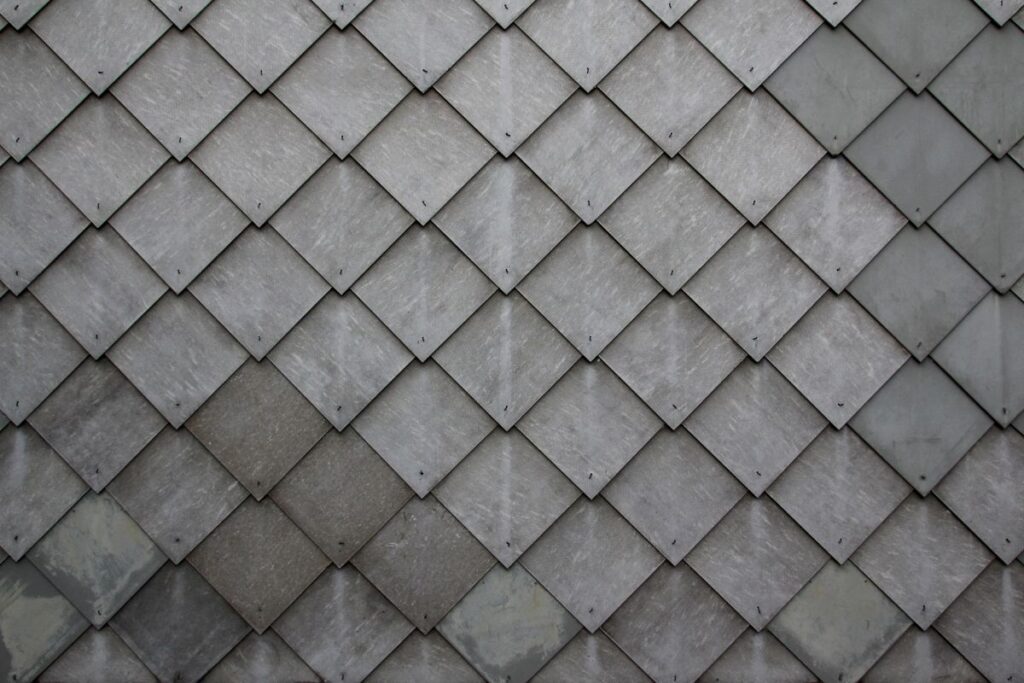
Textured and handmade subway tiles
Handmade tiles are rising in popularity due to their organic imperfections, uneven edges, and artisanal appeal.
Oversized and slim subway formats
Designers now use:
- 60 × 400 mm slim tiles
- 100 × 300 mm oversized tiles
These larger formats deliver a sleeker, more contemporary look.
Matte vs gloss finishes
Gloss tiles reflect light, while matte tiles create a more grounded, modern feel.
Best Rooms to Use Subway Tiles
Kitchens
Subway tiles have dominated Australian kitchens for decades. Use them for:
- Splashbacks
- Feature walls
- Behind the stove
- Full-height tile installations
Bathrooms
From small ensuite showers to full bathroom walls, subway tiles add brightness and help water reflection.
Laundry Rooms
They prevent wall stains, resist humidity, and add charm to an often-overlooked space.
Entryways and Mudrooms
Subway tiles work surprisingly well in functional entryways that require durability and style.
Commercial Spaces
Cafés, bars, and restaurants love subway tiles because of their retro-meets-modern appeal.
Popular Subway Tile Layouts
Classic brick pattern (offset)
The timeless original layout.
Vertical stack bond
Great for making ceilings appear taller.
Horizontal stack bond
The cleanest and most modern-looking layout.
Herringbone pattern
Creates subtle movement and sophistication.
Crosshatch / basketweave
A bold layout that adds energy to the design.
How layout affects visual space
- Horizontal layouts widen rooms
- Vertical layouts make ceilings look taller
- Herringbone adds a sense of luxury
- Stacked patterns create minimalism
Colour Options That Elevate Subway Tiles
White subway tiles
Still the most popular—clean, bright, and timeless.
Black and charcoal tiles
Perfect for modern, industrial, or luxury interiors.
Neutral tones
Greige, ivory, beige, and cream enhance warmth.
Pastel colours
Blush pink, mint green, and sky blue bring softness into bathrooms and kitchens.
How to Style Subway Tiles in Modern Homes
Choosing the right grout colour
Grout can drastically transform your design.
Light grout
Creates a classic, subtle finish.
Dark grout
Creates contrast and helps the pattern stand out.
Pairing subway tiles with benchtops
- White tiles + marble benchtops = elegant
- Black tiles + timber benchtops = moody industrial
- Neutral tiles + stone benchtops = contemporary
Using lighting to highlight tiles
Accent lighting or under-cabinet LEDs can emphasise texture and colour variations.
Expert Tips for Homeowners and Renovators
Choose high-quality tiles
Look for tiles with:
- Consistent glazing
- Low water absorption
- Clear edges
- Quality backing
Budgeting insights
Average installation cost in Australia ranges between $70–$150 per m².
Common mistakes to avoid
- Choosing the wrong grout colour
- Poor spacing or uneven lines
- Overusing bold colours in small rooms
Classic vs bold decisions
Stay classic in long-term homes; go bold in trendy rentals or feature areas.
FAQs
1. Are subway tiles still popular in 2025?
Absolutely. Subway tiles remain one of the most installed tiles across Australian homes. Their simplicity, versatility, and affordability keep them relevant in both modern and traditional settings. Designers continue to use updated colours, finishes, and layouts to give them a fresh, contemporary appeal.
2. Are subway tiles good for small kitchens or bathrooms?
Yes. Subway tiles visually expand small areas, making them perfect for compact kitchens, apartment bathrooms, and narrow laundries. Their clean lines create an uncluttered look that helps smaller rooms feel brighter and more spacious.
3. What is the best grout colour for subway tiles?
It depends on the desired style. White grout gives a seamless, classic look, while darker grout adds contrast and highlights the tile pattern. Grey grout remains popular because it blends subtle modern style with practicality (it hides stains better than white).
4. What size subway tile should I choose?
Standard 75 × 150 mm tiles are timeless, but modern homes now use larger 100 × 300 mm or slim 60 × 400 mm formats for a more contemporary feel. The bigger the tile, the sleeker and more modern the result.
5. Can subway tiles be used in showers?
Yes. Subway tiles are ideal for shower walls due to their water resistance and easy maintenance. When properly installed with waterproofing membranes, they perform extremely well in wet areas.
6. Are subway tiles expensive?
No. Subway tiles remain one of the most cost-effective tiling options. Even premium handmade subway tiles are more affordable than many designer tile alternatives.
Conclusion + CTA
Subway tiles have earned their status as a timeless design essential. Their clean lines, flexibility, affordability, and adaptability ensure they remain at the heart of Australian interior design—from minimalist kitchens to luxury bathrooms and contemporary commercial spaces.
As trends evolve, subway tiles evolve too—new colours, textures, finishes, and layouts continue to keep them stylish and relevant for every generation of homeowners.
If you’re planning a renovation or redesign, subway tiles offer a perfect balance of tradition and modernity, giving your home a beautifully timeless finish that never feels outdated.